This is default featured slide 1 title

Go to Blogger edit html and find these sentences.Now replace these sentences with your own descriptions.This theme is Bloggerized by Lasantha Bandara - Premiumbloggertemplates.com.

This is default featured slide 2 title

Go to Blogger edit html and find these sentences.Now replace these sentences with your own descriptions.This theme is Bloggerized by Lasantha Bandara - Premiumbloggertemplates.com.

This is default featured slide 3 title

Go to Blogger edit html and find these sentences.Now replace these sentences with your own descriptions.This theme is Bloggerized by Lasantha Bandara - Premiumbloggertemplates.com.

This is default featured slide 4 title

Go to Blogger edit html and find these sentences.Now replace these sentences with your own descriptions.This theme is Bloggerized by Lasantha Bandara - Premiumbloggertemplates.com.

This is default featured slide 5 title

Go to Blogger edit html and find these sentences.Now replace these sentences with your own descriptions.This theme is Bloggerized by Lasantha Bandara - Premiumbloggertemplates.com.

Showing posts with label stay healthy. Show all posts

Friday, 14 September 2018

What are the causes of Hair fall?

HAIR FALL


Good morning everyone, in this blog we discuss hair fall which is most common in man as well as women or even in children nowadays. Have you ever know that why your hairs are falling out? So in this blog, we discuss the What are the causes of Hair fall? and its treatment and how to prevent hair loss.


As you know hair grows everywhere on the skin except on the palms of our and hands and soles of our foot. Hair is made up of a protein called as keratin that is produced in hair follicle in the outer layer of skin. Most common causes for the hair fall are diet, lifestyle, and many more which we will discuss in this blog. A common type of hair fall is known as alopecia which means 100 hair falls per day.


TYPE OF HAIR FALLS


ALOPECIA ARETA: - This is the most common type of hair fall in young adult and children. Alopecia areta starts suddenly and causes patchy hair loss. This condition results in baldness

TRICHOFILLOMANIA: - This is psychological disorder in which person pull out own hair.

ANDROGENIC ALOPECIA: - This is the genetic disorder that affects both men as well as women. Men with the condition called as male pattern baldness that suffering hair loss as early as 20’s. Women with this condition called as female pattern baldness in this women experience general thinning of hair over the entire scalp, with the most extensive hair loss at the crown.

INVOLUTIONAL ALOPECIA: - This is a natural condition in which hair become thins with age. Hair follicle goes into the resting phase and remaining hair follicle become shorter and less in number.

ALOPECIA UNIVERSALIS: - In this condition hair fall from all over the body including eyebrows, eyelashes, and pubic hair.

TELOGEN ELFLUVIUM: - In this condition, there is temporary thinning of hair over the scalp that’s occurring because of changes in the growth cycle of hair. There is a large number of hairs follicle enter into the resting phase at the same time.

SCARING ALOPECIA: - In this condition, there is permanent loss of hair because of inflammatory condition such as cellulitis folliculitis acne and other skin diseases. That condition resulting in scar and destroys the ability of the hair regenerate.

WHAT ARE THE CAUSES OF HAIR FALL?


  • GENES From parents to children
  • HORMONES Abnormal level of androgen
  • STRESS this is most common causes of hair fall
  • ILLNESS Such as inflammatory condition or fungal infection
  • PREGNANCY Because of disharmony in hormone during pregnancy
  • DRUGS Chemotherapy drug for cancer, Beta-adrenergic blocker drugs, and Birth control pill.
  • INJURIES Burn can cause temporary hair loss. In that case, normal hair growth usually returns when the injured part heals and if the scar is not present.
  • AUTOIMMUNE DISEASE may cause the alopecia in this the immune system rev up for an unknown reason and affect the hair follicle.
  • DIET As you know hair is made up of protein so low protein diet can cause the temporary hair fall.
  • MEDICAL CONDITION there are many diseases can cause hair fall such as thyroid, lupus, diabetes, iron deficiency anemia but the hair fall is temporary because when the underlying disease is treated well then the hair will return.
  • COSMETIC PRODUCT too often uses of shampoo, perms, bleaching and dying hair can contribute overall hair thinning by making hair weak and brittle.

SING AND SYMPTOMS

In Men and Women

  • Thinning of hair on the scalp
  • Resending hairline
  • In men, horse-shoe shaped pattern hair fall occurs that leaves the crown of the exposed.
  • In women general thinning especially at the crown of the head.
In Children and Young adult

  • Sudden loss of patchy of hair
  • Complete loss of all hair from the body
  • Patches of broken hair and incomplete hair loss on the scalp.

HOW CAN I PREVENT HAIR LOSS?

I give some advice which you can follow and prevent your hair loss.

CHOOSE PRODUCT WISELY  Use the shampoo that designed for your hair type, when curling your hair chose less damaging sponge roller and use a brush which less tear your hair.

GO NATURAL Leave your hair its natural curl or texture, and give time to recovers between two treatments to grow new hair follicle.

BRUSH PROPERLY using a proper brush, apply full stroke from scalp to the tips of your hair to distribute the hair nature oil. Be gentle and avoid brushing your hair when wet.

TREATMENT

DRUGS: - There are some drugs that are approved for hair fall 1. Minoxidil (Rogaine): Rogaine is available over the counter as a liquid or foam. Apply it to the scalp twice a day to grow hair and prevent hair loss. 2. Finasteride (Propecia, Proscar): This is a pill that you take daily. It’s only available with a prescription from your doctor.
Hair transplants: - The two most popular hair transplant procedures are follicular unit transplantation and follicular unit extraction but both surgeries are very expensive.

  1. Follicular unit transplantation (FUT): FUT is the more “classic” method. It involves removing some skin from the back of your scalp, where there is an abundance of hair, and reinserting the hair follicles into the part of the scalp where you are experiencing hair loss.
  2. Follicular unit extraction (FUE): In FUE, hair follicles are removed directly from the scalp and transplanted to the bald parts of the scalp.
Laser treatment: - Laser treatment is thought to reduce the inflammation in follicles that keeps them from regrowing. There are limited studies to support their effectiveness in treating hair loss, but a 2016 review determined that low-level laser therapy (LLLT) is safe and effective when used to treat male pattern hair loss. More research is needed.
Quit smoking: - If you’re a smoker, you’ve probably heard about all the negative effects smoking has on your health. But did you know that smoking could cause hair loss on top of facial wrinkles and premature greying of hair? Research has determined that there’s a link between smoking and hair loss. If you want to keep from going bald, it may be a good idea to quit smoking as soon as possible.
Scalp massage: - They can help with your hair loss, too. Massaging the scalp stimulates the hair follicles. In one small study, healthy Japanese men who received four minutes of scalp massage each day for 24 weeks had thicker hair at the end of the study.
Oils: - In the market, there are much more hair oil is available that claims that prevent hair loss there’s some evidence that peppermint oil can help with hair growth. Rosemary oil has also been traditionally used to increase blood circulation on the scalp. A study found that rosemary leaf extract improved hair regrowth in mice. Coconut oil, castor oil, and olive oil are also widely recommended, but research on their benefits for hair growth is limited.
A balanced diet: - A well-balanced diet can keep your hair in tip-top shape. Make sure you are including a variety of vegetables, fruits, whole grains, unsaturated fats, and lean proteins in your diet, and limit your intake of sweets. Certain vitamins and minerals found in food are associated with healthy hair. Iron-rich foods, including lean beef, beans, green leafy vegetables, iron-fortified grains, and eggs. Foods rich in omega-3 fatty acids, such salmon, mackerel, tuna, flax seeds, egg yolks, hemp seeds, and walnuts. High-protein foods, like eggs, lean meats, and seafood.
Onion juice: - 2002 study showed that the use of onion juice as a topical treatment resulted in significantly more regrowth than just tap water in people with patchy alopecia areata.

DR. AMIN I BAYAD

(BHMS)

Saturday, 8 September 2018

What should I eat every day to be healthy?

FOODS TO EAT DAILY

In your mind, you ever thought about What should I eat every day to be healthy? and what are the benefits you are getting from daily food? That question arrived once in your life so that is we discuss and today blog topic is What should I eat every day to be healthy?

We eat lots of foods day by day on daily basis but can you figure out what are the health benefits form that food you eat daily, probably you don't know about this, so in this blog I can suggest you some 8 food to eat daily and what are health benefits you get and I also give some substitute to that food.

1. YOGURT


Various culture claims yogurt as there own creation, but 2000-year-old food health benefits not disputed, There are millions of probiotics organism that serve as reinforcement to the battalions of beneficial bacteria in your body.

Yogurt also helps to boost your immune system and provide protection against cancer.

SUBSTITUTE:- Soy yogurt, Kefir

How to eat:- Yogurt topped with blueberries, walnuts, and honey is the ultimate best breakfast.


2. WALNUTS 


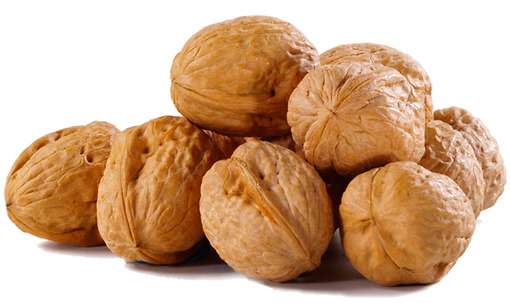
Walnuts are richer in Omega 3 which help in a healthy heart. In walnuts, anti-inflammation polyphenol is present which help to reduce inflammation. it is also protein is present in walnuts that help in muscle building.


SUBSTITUTE:- Almonds, peanuts, pistachios, hazelnuts

How to eat:- sprinkle on top of the salad or chop and add to pancake batter


3. TOMATOES 


Tomatoes are rich in antioxidants lycopene which can help to decrease the risk of bladder, lungs, prostate, skin, stomach cancers. As well as it reduces the risk of coronary artery disease.

SUBSTITUTE:- Red watermelon, Grapefruits, guava, papaya.

How to eat:- With every salad, like ketchup, and in every sabji as tomato paste.


4. SPINACH 


It may be green and leafy. Spinach has reached the source of omega 3 fatty acid, folate, and lutein.
Omega 3 fatty acid help to reduce the risk of heart disease, stroke, and osteoporosis. Folate also increases blood flow and helping to protect against age-related sex issue. Lutein that fights with muscular degeneration.

SUBSTITUTE:- Kale, bok choy.

How to eat:- As a salad, add spinach to scrambled egg and drop it our pizza.


5. CARROTS 


Carrots are a rich food of carotenoids which are a fat-soluble compound that helps in reduction in cancer as well as reduce risk and severity of an inflammatory condition such as asthma and rheumatoid arthritis.

SUBSTITUTE:- Sweet potatoes, pumpkin.

How to eat:- Raw baby carrots, with salad, and carrot cake.


6. OATS


Most common healthy food which uses widely and FDA's first seal of approval. They are packed with soluble fiber which lowers the risk of heart disease, also rich in fiber and protein.

SUBSTITUTE:- Quinoa, Flaxseed, wild rice.

How to eat:- Quinoa salad,


7. BLUEBERRIES 


Blueberries have most antioxidants than any other fruits. That's help to prevent cancer, diabetes, and age-related memory changes. Blueberries are also rich in fiber, Vit A and C they help to boost cardiovascular health.

 SUBSTITUTE:- Acai berries, purple grapes, strawberries.

How to eat:- sprinkle two tablespoons ground flaxseed on cereal, salad, and yogurt.


8. BLACK BEANS


Black beans are full of anthocyanins, an antioxidant compound that has been shown to improve the brain function. It is also low in calories and free of saturated fat.

SUBSTITUTE:- Peas, lentils, fava.

How to eat:- Wrap black beans in the breakfast burrito, use both black beans and kidney beans in chili.

so that all about What should I eat everyday to be healthy? if you like my work please let me know in the comment.

DR. AMIN I BAYAD
(BHMS)

Monday, 20 August 2018

Dengue fever: Symptoms, Causes, Prevention and Treatment

DENGUE FEVER


DEFINITION: - Dengue fever is a mosquito-borne disease caused by four different viruses is that Dengue virus 1, 2, 3 and 4 and spread by Aedes mosquito which is found all over the world. The onset of the symptoms usually starts 4 to 7 days after the mosquito bite.


There is some research is on-going for developing the dengue vaccine. In some country vaccine for dengue fever are commercially available (the Philippines and Indonesia). So for the prevention of dengue fever, there is some method of preventing which we discuss in the separate heading in this blog.

There is gradually increasing in a number of dengue fever in India. Dengue fever in India 1st reported in Madras in 1780 and the 1st outbreak occurred in Calcutta in 1963. In India, dengue fever is more dangerous because there is lack of knowledge of sanitation and how to avoid further developing of dengue viruses and most common causes are that there are lots of open collection of water which are non-medicated that’s why there is friendly nature to produce more Aedes mosquito. So that’s why the spread of dengue virus is easy.


PATHOPHYSIOLOGY: - In this section, I will tell you how the dengue virus entre in our body and spread in a simple easy way to understand in a numerological way.

1.       1. Aedes mosquito with viruses bite person.

2.       2. Viruses enter in the skin with the saliva of mosquito.

3.      3. Both bind (viruses + saliva) and enter in white blood cell (WBC).

4.      4. In WBC they reproduce (increase number of viruses) while moving throughout the body.

5.      5. WBC respond by producing protein cells ( cytokines and interferons which are responsible for symptoms like fever and pain in the body)

6.      6. If treatment does not start at this stage than virus production increase greatly and more organs are affected and this is life-threatening.


SING AND SYMPTOMS: - Incubation period (time between exposure and onset of symptoms) 3 to 14 days

  • Fever (sudden onset)
  • A headache (behind eyes)
  • Muscle pain
  • Rush


There are three phase of sing and symptoms

The febrile phage: -In this phage, there is high-grade fever (40°C/104°F) and generalized body pain, headache, nausea, and vomiting are commonly present. Rush occur in 50 to 80% of cases. Rush resemble like measles describes an island of white in a sea of red. There is also mild bleeding occur in the mucous membrane of mouth and nose.

The critical phage: -In this phage, there is leakage of plasma from blood vessels resulting in fluid accumulation in the chest and abdominal cavity and decrease the volume of fluids from circulation decrease that’s why blood supply to the vital organ is decreased and that leads to organ dysfunction and severe bleeding. In this phage shock and hemorrhage occur in less than 5% of cases.

Recovery Phage: -In this phage, improvement is often striking and can be accompanied by itching and slow heart rate. There is also a feeling of fatigue.


Diagnosis

  • CBC (decrease platelet count)
  • Serological test for dengue ( IgG IgM)


PREVENTION

In dengue fever WHO recommended these five elements for integrated vector control program.

1. Advocacy, social mobilization and legislation to ensure public health bodies and community strengthened

2. Collaboration between health and other sectors.

3. An integrated approach to disease control to maximize use of resources.

4. Evidence-based decision making to ensure any intervention is targeted appropriately.

5. Capacity-building to ensure an adequate response to the local situation.

In short, reduce the open collection of water and if this is not possible than treat water with insecticides and biological control agents. Generalized spraying with organophosphate insecticides may help. Reducing open collection of water is best for controlling further spread of viruses. People can prevent of mosquito biting from wearing full sleeves shirts and pants, using mosquito net during rest. So this is some method to prevent dengue fever.


Vaccination

In Philippines and Indonesia, there is dengue vaccine is available for commercial use in 2006 and its cost about 207 us dollar (approx. 14466.20 rupees)
June 15 is celebrated as international anti-dengue day. Purpose of this celebration is to aware public about this fever and how to control.


TREATMENT

There is no any specific anti-viral drug for dengue fever. Most important is to maintain body fluid and symptomatic treatment. If you have high-grade fever than please consult your family physician for further treatment and diagnosis.

DR. AMIN I BAYAD
(BHMS)  


Wednesday, 15 August 2018

Typhoid Fever: Symptoms, treatment, causes, and prevention

TYPHOID FEVER


DEFINITION: - Typhoid fever is a systemic infectious disease caused by the bacterium Salmonella enterica serotype Typhi also known as s. typhi. Salmonella enterica serotype paratyphi( s. paratyphi) A, B, C cause the clinically similar condition known as paratyphoid. Typhoid and paratyphoid fever collectively referred to as enteric fever.

The contagious nature of the disease and incriminated faecally contaminated water sources in transmission was described by William Budd in 1873.


EPIDEMIOLOGY

India the typhoid fever is a major public health problem because of poor sanitation, lack of safe drinking water supply and low socioeconomic condition. That’s why in India there is lots of case of typhoid fever. The typhoid fever is usually observed throughout the year.

Age group: - mainly affect children and young adults

Gender: - more common in a male. As female are chronic carriers.

Socioeconomic factor: - Typhoid fever is a disease of poverty and associated with inadequate sanitation facilities and unsafe water supplies.


MODE OF TRANSMISSION

Typhoid fever is transmitted by the fecal-oral route, via contaminated food and water. Occasionally health care workers can acquire the disease from infected patients.


AETIOPATHOLOGY

I have lots of information regarding this section but as our motto is to explain in easy understand so I will briefly explain how bacteria enter in our bloodstream and produce typhoid fever as below,

S. Typhi is ingested with food and water (both contaminated).

Passes through the stomach and invade gut epithelium

In the small intestine invade and translocate to an intestinal lymphoid follicle
 
Some pass on to reticuloendothelial cells of liver and spleen

In the liver and spleen, they multiply

After 7 to 14 days of incubation clinical conditions such as fever appear


CLINICAL FEATURES

Prolonged fever: - initially low grade, rises progressively, and by the second week is often high and sustained. Continues fever rising in step-ladder fashion is observed
Fever including chills, headache, anorexia, cough, weakness, sore throat, dizziness, muscle pain and abdominal pain.

There are some physical sing present in typhoid fever such as coated tongue, tender abdomen, hepatomegaly and/or splenomegaly may be found.


In some patient at the end of 1st week small maculopapular, blanching and erythematous rush typically on trunk and chest may be seen.

Constipation may present in some patient


DIAGNOSIS

Typhoid should be considered in any patient with prolonged unexplained fever with an appearance of a rose spot.
Complete blood count
Widal test is the best serological test to diagnose typhoid fever


COMPLICATION

The commonest complication is as follow
Intestinal perforation
Gastrointestinal hemorrhage
Typhoid encephalopathy


PROGNOSIS

When untreated the fever persists for 2 weeks or more and defervescence occurs slowly over the following 2 to 3 weeks. Death occurs in between 10% to 30%  of an untreated patient following complication.


PREVENTION

We can prevent typhoid fever by improving sanitation, ensuring the safety of food and water supplies, identification and treatment of chronic carries of s.typhi, and use of typhoid vaccines to reduce the susceptibility of the host to infection.

Vaccination is recommended for use in travelers to endemic areas, for household contact of typhoid carries, and laboratory workers.
There are two type of vaccine available for typhoid fever
1 Parenteral Vi polysaccharide vaccine.
2 Oral Vaccine ( S. Typhi strain Ty21a is live attenuated oral vaccine)


TREAMENT

General Management

Supportive measures such as adequate rest, tepid bath and sponging, appropriate nutrition and diet, all are important in the management of typhoid fever.

Anti-microbial therapy

There are many medicines to treat typhoid fever but without consultation with your family physician, you cannot use any antibiotics. If you have high-grade fever since 7 to 10 days without any relief in symptoms please consult your family physician for proper treatment


Dr. Amin I Bayad
(BHMS)


Thursday, 2 August 2018

What are the main causes of kidney stones?

KIDNEY STONE


Definition: - Kidney stone is also known as urolithasis. When solid piece of material are conjugated in one or both of yours kidney because of high level of certain mineral are in urine and that conjugated piece are called as kidney stone.

Kidney stone is varying in size. Small size stone may pass without any medication and without any causing sing and symptoms. When stones size is more than 5mm are difficult to pass and can causes severe pain and block ureter. Stone are form in kidney when minerals are high in concentration.

Pathophysiology (How kidney stone form?)

Hypocitraturia: - The meaning of hypocitraturia is citrate excretion less than 320 mg/day in urine Hypocitraturia can causes formation of kidney stone because role of citrate is to reduce super saturation of calcium salt and inhibits crystal growth (stone).

Inhibitors of stone formation: - Normal urine contain chelating agent such as citrate, calgronal, tamm-harshfall protein, uroprotin, nephrocalcium, prothrombin peptide and bikuni. All of the above are chelating agent (inhibits the formation of kidney stone) If this all chelating agent are less in concentration than there is increase the chance of formation of kidney stone.
Sufficient intake of citrate and magnesium inhibits the formation of kidney stone.

Type of kidney stone


On the basis of type of kidney stone we can determine the cause and its help to prevent further formation of kidney stone.

Calcium stone: - This is the most common type of stone in the form of calcium oxalate.Oxalate is natural substance found in foods such as fruits, vegetables, nuts, and chocolate this all are have high concentration of oxalate. And also made by our liver daily. Oxalate may occur in form of phosphate. And this calcium phosphate devolve by metabolic disorder.

Struvite stone: - Stone which form by infection is called struvite stone. Infection such as UTI. This type of stone can grow quick and larger than other stone.

Uric acid stone: - Uric acid stone are mainly form in those people who don’t drink enough Fluid or who lose too much fluid are more prone to develop uric acid stone. Person on high protein diet and have disorder of gout are also more prone to develop uric acid stone

Cysteine stone: - Kidney that excrete too much of amino acid can form this type of kidney Stone. This type of stone can also see in hereditary disorder.

Risk Factor

Family history/ Personal history: - If someone has kidney stone in your family than you are more prone to develop kidney stone. If you have history of kidney stone than there is increase chance of reoccurrence

Diet: - Person who takes high protein diet, sodium, and sugar in food is higher risk to develop kidney stone. Too much salt in diet can increase amount of calcium.

Dehydration: - Person who not drinking enough water lead to formation of kidney stone. Person who live in warm climate and who sweat a lot that all are high risk of developing kidney stone.

Digestive Disease: - Irritable bowel disease, chronic diarrhoea both this disease can alter the digestive system and can cause increase loss of fluids and increase absorption of calcium so that lead to increase concentration of calcium in blood stream and form kidney stone.

Obese: - person who high BMI, larger Waist size are higher risk of kidney stone.

Surgery: - Gastric bypass surgery are one of factor to developing kidney stone.

Symptoms

 Small size of stone may pass without causing any symptoms but if the size of stone is larger (more than 5mm) can produce symptoms which are as below.

  • Severe pain at side of abdomen and back
  • Pain is radiate to lower abdomen
  • Kidney stone pain is wave in nature (come and go)
  • Urine burning
  • Pain during urination
  • Colour of urine- Red, pink, browen
  • Smell of urine- foul
  • Nausea and vomiting
  • Urge of urine increase but when urinate urine come with drop by drop
  • Fever and chill if there is infection present(UTI)


Diagnosis

Blood
Urine routine, micro, culture
X-Ray
USG
CT-Scan

Prevention

 There are some tips to prevent developing of kidney stone.

Drink plenty of water: - people who have history of stone are recommending drinking plenty of water. If you urine colour is dark yellow than there is sing of you are tacking less water than you need. When we take plenty of water colour of urine is light yellow and clear.

Foods: - Avoid Oxalate rich food such as rhubarb, beats, okra, spinach, sweet potatoes, nuts, tea, chocolates, black paper etc.

Low slat diet

Avoid calcium supplements

Take leman water daily, you can also take coconut water.

Treatment


If you have kidney stone less than 5mm than there is no need of medication only plenty of water, leman water, is enough to pass kidney stone. But size of stone is more than 5mm than you need medication so please consult your physician as soon as possible. If you want online consultation contact me.

Homeopathic treatment for kidney stone

There is wonderful remedy in homeopathy which not only treat but prevention of further developing of kidney stone. I have my own preparation for kidney stone which gives wonderful result in some case its take less than 24 hour to remove stone from kidney. If you want some preparation contact me through email.  

Dr. Amin I Bayad
(BHMS)


Friday, 27 July 2018

Why do you get acne on your face?


WHY DO YOU GET ACNE ON YOUR FACE?


Hi myself Dr. Amin Bayad. I write health and fitness related article in simple and easy way to understand. So without any waste of time today topic is most common problem in teenager is that acne. Here is the answer for the question of why do you get acne on your face?


Definition: - Acne is a disease of hair follicle which is inflamed and painful mainly found on face, chest and back.


It is most common disease of teenager during puberty because sebaceous gland is more active during puberty. You can say that when hormonal changes occur in our body
Types of acne: - Whiteheads, Blackheads, Pimples, Cyst and Nodule


PATHOPHYSIOLOGY


There are lots of glands are present in our body. In which sebaceous gland are present in face. Sebaceous glands of face produce liquid called sebum. Sebum is vehicle for the dead skin through follicle to the surface of skin
If there is any blockage in hair follicle than skin cell, sebum and hair can clump together in to pug and this pug get inflamed with bacteria and pimple start to develop.

CAUSE/FACTOR


There are many factors that cause acne some are listed below.
1.      FOOD: - Food is one of the most common factors to develop acne. Such as an oily, spicy food(bread, chips etc.) and junk food are one of the factor for developing acne

Recent studied show that high-carbohydrate, milk, pure chocolate are aggravates acne.

2.      STRESS: - Stress is direct or indirect cause acne

3.      Hereditary: - If your parent was suffered from acne in sever form than your acne are more difficult to control.   

4.      Pressure: - Pressure from chin, strep, collar, helmet can aggravates acne

5.      Drug: - Due to some medication acne are difficult to cure , such drug as iodise, bromides, and such type of steroids

6.      Cosmetic: -  Such cosmetics who has list water base can aggravates acne

7.      Hormones: - During puberty hormone is increase. Androgen is one of the most common hormone that has directly effect on acne. Androgen is increase in boy and girls during puberty

Due to high concentration of androgen the sebaceous glands enlarge and can easily infected and produce pimple. Low amount of androgen can also aggravates acne


SING AND SYMPTOMS


·        LARGE PAINFUL LUMP WHICH IS FILLED WITH PUS AS SEEN IN IMAGE
·        MAY PRODUCE FEVER IN SOME CASE.


TREATMENT


There are lots of products available for treatment of acne person use according to their skin type but they can reappear any time. So I give you some advice to control it by slightly alter your lifestyle.
1.      Never ever pick or squeeze pimple
2.      8 hours sound sleep
3.      Plenty of water
4.      3 healthy meal( please avoid oily and spicy food)
5.      Cleaning skin
Washing once or twice a day with cleanser keeps skin clean

Mild scrub: - Can be used with gentle massage. Most of the scrubs contain salicylic acid. Salicylic acid is peeling agent so they help to remove outer layer of skin, so they open skin pores.

6.      Antibiotics cleanser: - antibiotics cleanser is mainly form of gel, lotion, or cream.
Gel applied over affected part and kills the surface bacteria.
Warning : - Anti bacterial cleanser contain benzoyl peroxide can cause red scaly skin and irritation in some person so use with advice given by physician

So this is the answer for why do you get acne on your face. If you like my work please follow me and let me know in the comment. If you want online consultation for any disease gives comment on this page and I will respond you. Bye bye.  


Sunday, 22 July 2018

What are the health benefits of drinking warm water?


What are the health benefits of drinking warm water?


Hello friends, in this blog we discuss about the health benefit of drinking warm water especially in morning. As traditional way all over the world our morning is start with fresh hot coffee or tea according to region. Considering water our mind is set that we consume water as cold. Besides this you also here about consuming warm water in the morning have many more health benefits and according to Ayurveda warm water itself is medicine for many diseases. Regular intakes of warm water have benefits of increase immunity, weight loss; improve digestion, any many more we discuss in this blog.

Most of the physicians recommend warm water in morning with empty stomach that has lots of benefits to our body. Without any waste of time we discuss about health benefits of drinking warm water as below.

Health benefits


1.      Improve digestion: - when we consume warm water on daily basis that’s leads to sooth and activate our digestive tract. Water moves through whole digestive tract and make whole tract hydrate so because of hydrate intestine able to eliminate the waste product from body in short its help to detoxification in our body.
If person has chronic constipation warm water will help a lots to reduce strength to the intestine for defecation and also improve peristaltic movement.

2.      Weight loss: - Warm water help in weight loss itself is big topic we will discuss in separate blog in future.

3.      Detoxification: - detoxification means the processes of removing toxins substance from body. some research have proven that consuming warm water can increase the temperature of body and that’s leads to sweating so because of sweating toxin substance remove from skins pore. So that’s why warm water help in body detoxification.

4.      Circulation: - warm water increase the body temperature that’s leads to expand blood vessels and improved circulation. Some research say that warm water can reduce a pain in some level because of increase circulation due to expand of blood vessels blood flow increase to particular pain area and increase of blood flow leads to muscle relax and decreasing pain.

5.      Stress: - A warm water may help to fight with stress. Studies also find that hot liquid such as tea and coffee can lower the stress and reduce feeling of anxiety. There is some argue are going on that hot liquid reduce stress because of caffeine but warmth also played role in improved mood.

6.      Fights colds: - when we have fever with shiver(shake slightly and uncontrollably as a result of being cold)  physician suggest a warm water. Warm water heat our body and increase the temperature so that we can fight with shivering.

7.      Skin: - Acne is problem for female as well as male because of selfie ( just kidding )
Warm water can help body hydrate and warm because of this it’s improved circulation and give you fair skin. Warm water deep cleanses your body and eliminates the root cause of infection (acne).

8.      Congestion: - consuming warm water during nasal congestion can relive the accumulation of cough in throat and relive symptoms of congestion. Warm water dissolve the thick cough and eliminate them easily from your respiratory tract so that you can relief from sore throat.
  
9.      Menstrual pain: - warm water has calming and soothing effect on abdominal muscle which can cure the crams and spasm and relive the pain during menstrual.

10.   Hair: - Yes warm water also good for healthy and shiny hair. Warm water energizes and activates the nerve ending of hair. Warm water also promotes regular activity of hair roots and that’s why warm water accelerates the hair growth. Warm water keeps your scalp hydrate and prevents hair dandruff.


So this are benefits we can get from warm water on daily routine basis. If you like my work please follow for more health fitness related topic. Any suggestion please let me know in the comment.
DR. AMIN I BAYAD
(BHMS)


Saturday, 7 July 2018

The cause and treatment of Fever


The Cause
In previous blog we discussed about FEVEF and how to detect and there symptoms in detail if you missed the blog here is link https://draminanjar.blogspot.com/2018/07/fever-simple-understanding.html

So today topic is cause 

Cause of fever is very big topic that if we discuss the one cause it can take two to three blogs to full discus about it so in this blog I take some of important causes in short and simplest way to understand

Fever can be caused by a number of factors:
·        an infection, such as throat infection, flu, chickenpox , or pneumonia
·        rheumatoid arthritis
·        some medications
·        overexposure of skin to sunlight, or sunburn
·        heat stroke, resulting either by exposure to high temperatures or prolonged strenuous exercise
·        dehydration
·        silicosis, a type of lung disease caused by long-term exposure to silica dust
·        amphetamine abuse
·        alcohol withdrawal
   

so this a cause of fever in this most common type of infection is bacterial infecrion and virus infaction. As for example viral flu cold cough ……

the